

Spotlight
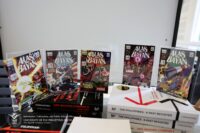
‘Alas ng Bayan 2.0’ Exhibit Highlights Filipina Heroes Through Art and History
March12, 2026 | Text by: Charmaine A. LingdasPhotos by: Sarah Hazel Moces S. Pulumbarit The University of the Philippines Manila Museum of a History of[READ]
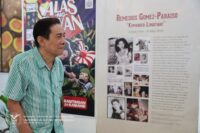
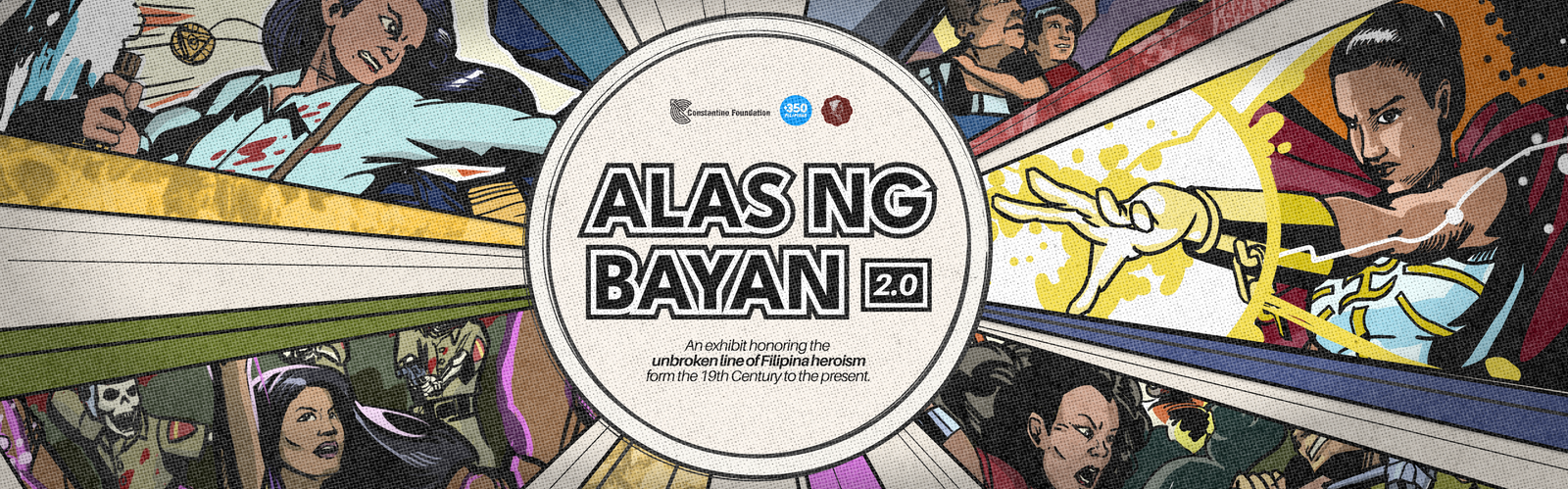
Alas Ng Bayan 2.0 opens at UP Manila.
Alas ng Bayan 2.0 continues its run at the UP Manila Museum of a History of Ideas in celebration of National Women’s Month. Through[READ]

#ALASNGBAYAN2 is now open at the UP Manila Museum of A History of Ideas!
We thank UP MOAHI for hosting this exhibit, which traces the unbroken line of Filipina heroism from the nineteenth century to the present through[READ]
Spotlight
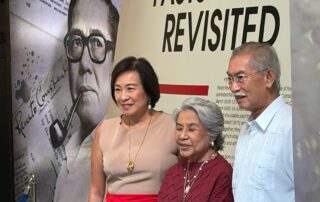
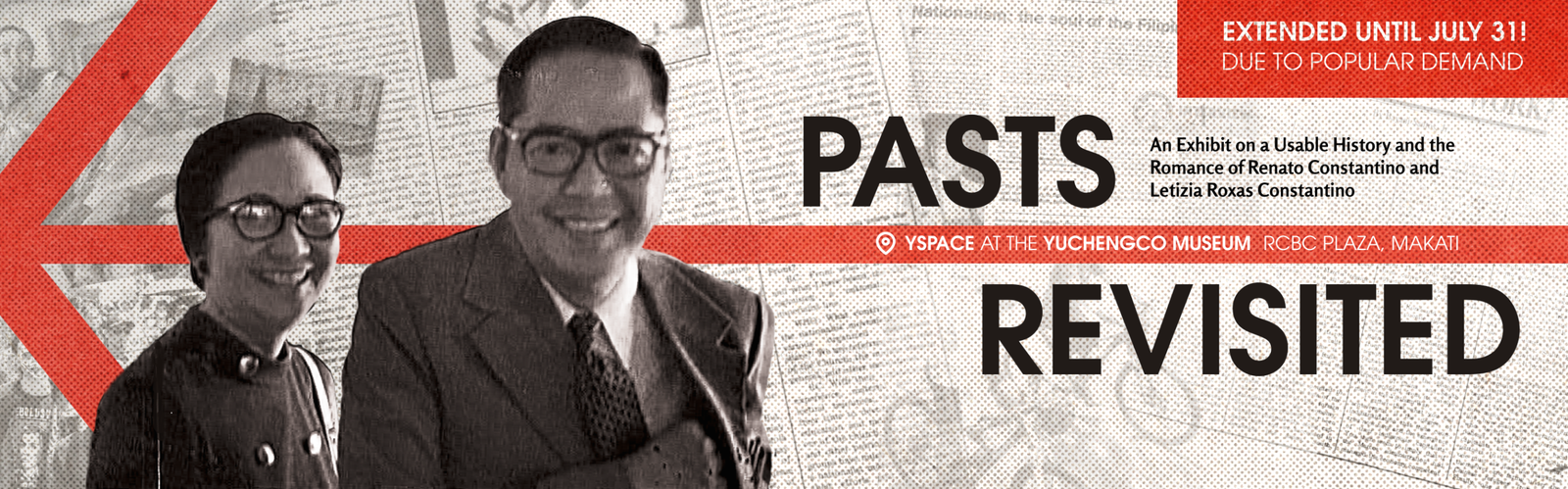
Kara David — Granddaughter of Renato and Letizia Constantino — at Pasts Revisited
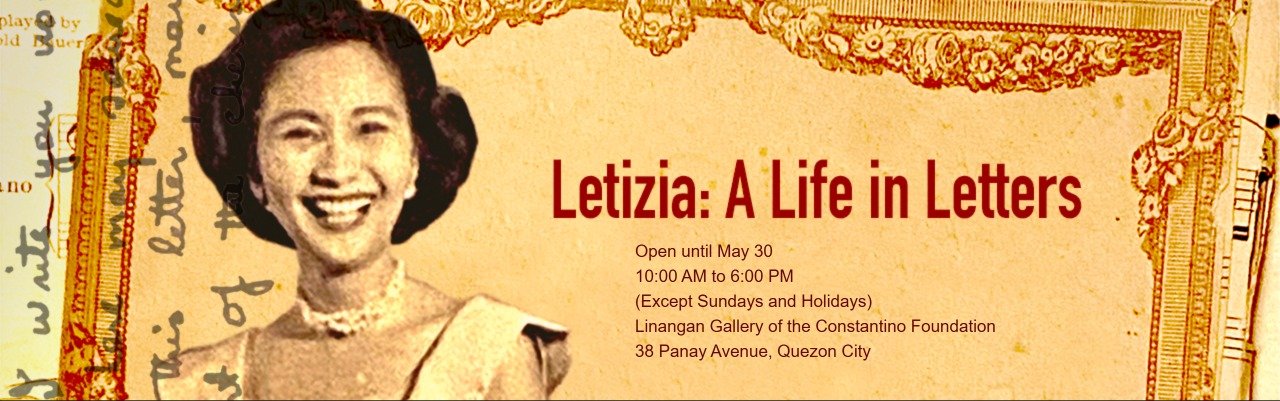
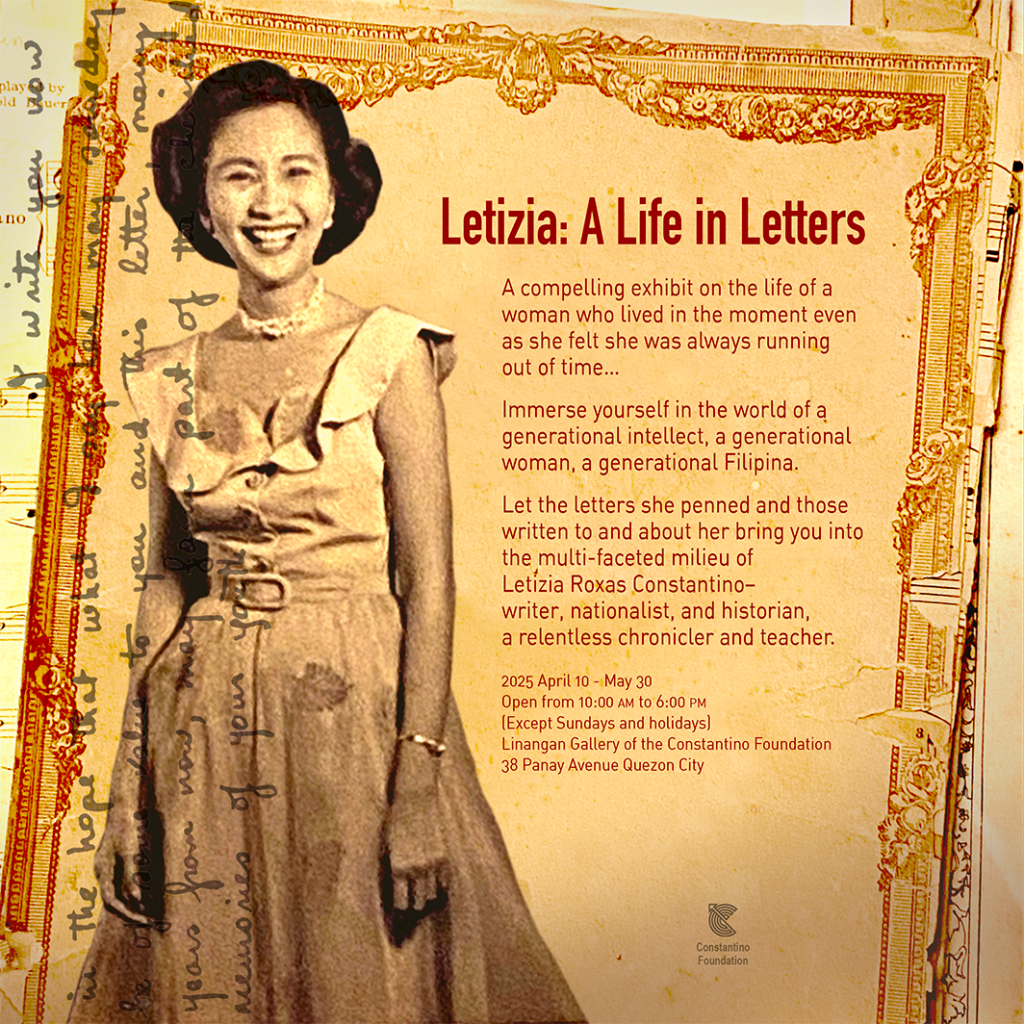
Journalist Kara David — granddaughter of Renato and Letizia Constantino — visited Pasts Revisited: An Exhibit on A Usable History and the Romance of Renato Constantino and Letizia Roxas Constantino at the Yuchengco Museum.
The exhibit runs from 11 June to 11 July 2026 at RCBC Plaza, Ayala Ave. corner Gil Puyat Ave., Makati. (Closed Sundays & holidays. Bike parking available at RCBC Plaza.) Read Original Story Here
Pasts Revisited
Bapor! Paris!
Strands of Philippine history and climate change are more tangled than you think.
Many Filipinos still use the word “bapor” when they see huge sea-faring vessels, but most are not aware of the word’s origins. Bapor is from “vapor” which is another way to describe “steam” that powers up engines fueled by the dirtiest of fossil fuels: coal.
The new introduction to the 50th anniversary edition of The Philippines: A Past Revisited shows how closely intertwined our past is with the climate crisis. It was coal, for instance, that enabled British textile factories to produce the flood of super cheap cotton fabrics in the 19th century that decimated Filipino sinamay, jusi, and piña industries.
Coal is also what powered warships of the United States when it annexed and invaded the Philippines when Filipino revolutionaries had just defeated Spanish colonial rule.
U.S. steamers would bombard defenders of the Philippine republic then off-load American imperial troops across the archipelago before heading to China to help suppress the Boxer Rebellion.
Long before the more infamous oil crisis of the 1970s, before the drive to control the global supply of petrol ignited the Iran-Iraq war and other violent conflicts in the Middle East, the Philippines found itself in the middle of one of the earliest fossil-fueled land grabs.
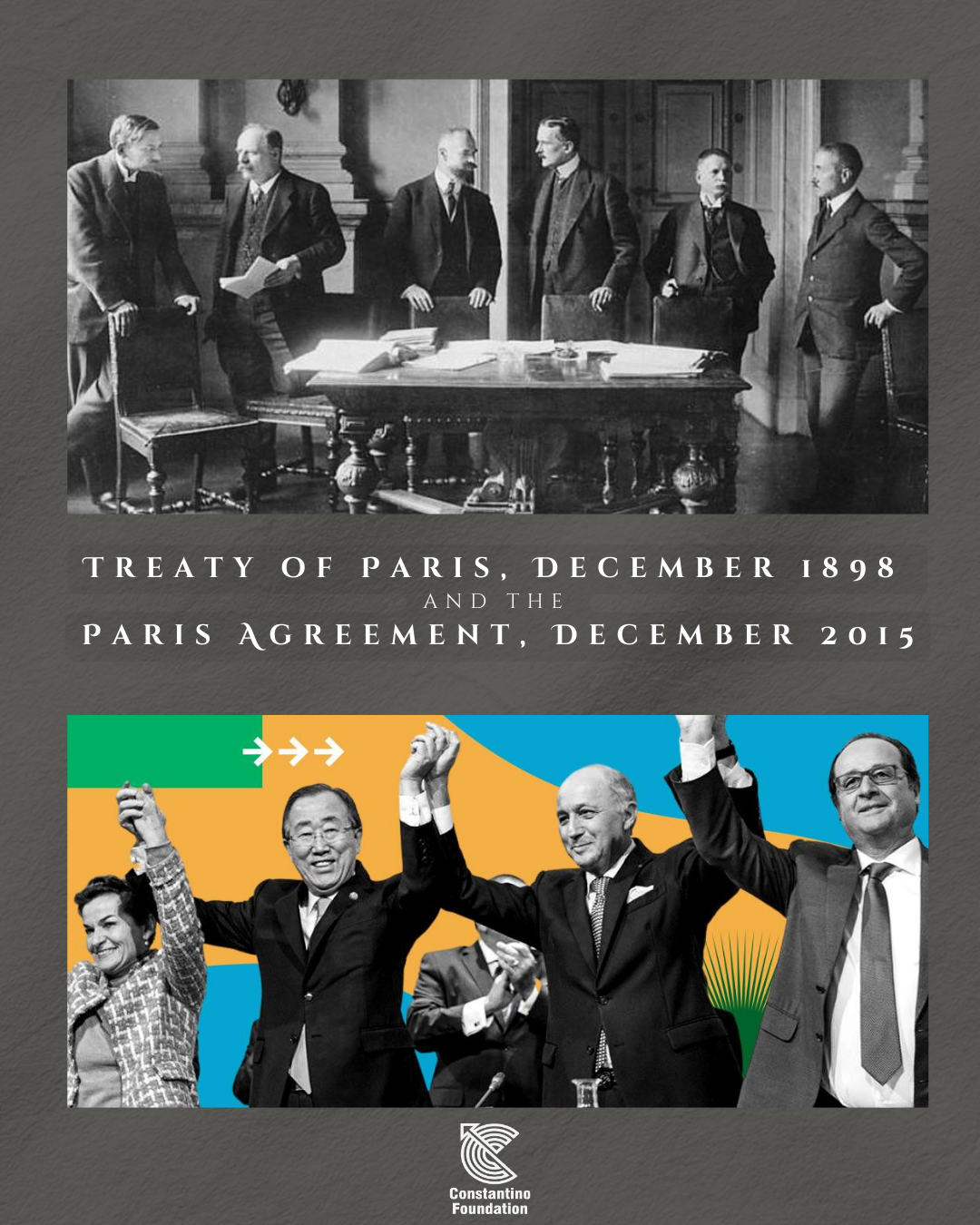
Many today know of the Paris Agreement of 2015, named after the international conference held in the French capital that produced the global climate change treaty. Largely forgotten is the Treaty of Paris of December 10, 1898, which allowed the U.S. to purchase Cuba and the Philippines from Spain. Why? U.S. Senator Albert Beveridge explained it succinctly when he said: “The Philippines are ours forever… And just beyond the Philippines are China’s illimitable markets… The wood of the Philippines can supply the furniture of the world for a century to come… Cebu’s mountain chain are practically mountains of coal.”
It’s why the largest palengke in Cebu is still named carbon market, and why you will find rail tracks in the area, where coal was once the main freight.
The Treaty of Paris is why, before it became known as a concentration camp where prisoners of the bogus U.S. “war on terror” were held outside international law, Guantanamo in Cuba was first used as an American coal depot. And long before it became the largest naval base outside the United States, Subic Bay was first a U.S. coaling station that supplied fuel to U.S. warships deployed to secure the geopolitical interests of America, a new superpower that would rapidly become the most notorious, climate-destroying greenhouse gas-polluting nation in the world.
Events
Videos
Stories
“The Philippines: A Past Revisited” at Fifty: From Rolling Stone Philippines to the Frankfurt Book Fair 2025
The Philippines: A Past Revisited by Renato Constantino and Letizia Roxas Constantino is featured in the September 2025 print edition of The Rolling Stone Philippines (Arts & Culture Issue), coinciding with the book’s 50th anniversary. First published in 1975, the volume has been described as “a landmark text in Philippine historiography”, one[READ]
You’re invited!
Join us for the launch of the 50th anniversary edition of The Philippines: A Past Revisited—a landmark work by Renato and Letizia Roxas Constantino, whose partnership shaped generations of critical historical thought. ????️ September 26, 2025 ⏰ 3PM–5PM ???? Little Theater, UP Manila (Rizal Hall, College of Arts and Sciences, Padre Faura[READ]
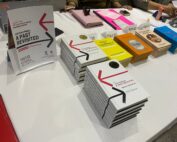
TIMELESS INTELLECT: Constantino foundation reissues late historian’s book on 50th year
by Eneri Eidref Trinidad and Karyl Alexandra IpacHonoring the legacy of the late Filipino historian Renato Constantino and his infl uence in the study of Philippine history, the Constantino Foundation kicked off a history forum and launch of the 50th anniversary special hardbound edition of The Philippines: A Past Revisited held in[READ]
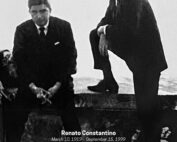
Renato Constantino
The historian Renato Constantino passed away 26 years ago on 15 September, the very birthday of his son, RC, who designed the iconic cover of The Philippines: A Past Revisited. The book continues to be a mirror, a hammer, and a torch, as an academic recently noted. Indeed, the concept championed[READ]