




Spotlight

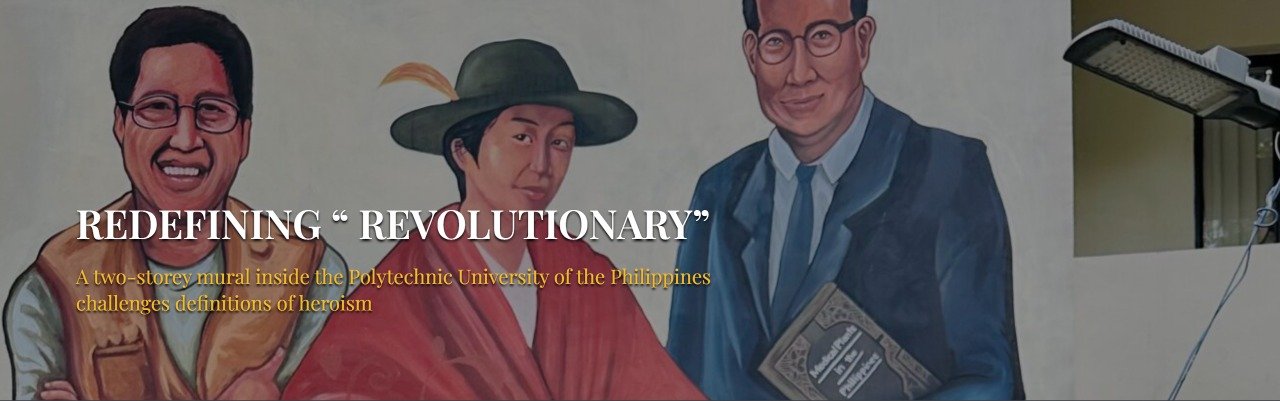
Filipinas in history as Superheroes? Oh yes. See them reimagined in an exciting new exhibit in Quezon City! #FightLikeGirls!
Filipinas in history as Superheroes? Oh yes. See them reimagined in an exciting new exhibit in Quezon City! #FightLikeGirls!Alas ng Bayan 2.0 is a riveting[READ]
We Can Choose Honor
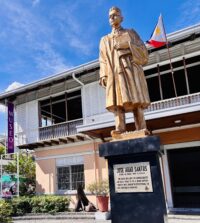
A sense of honor is one of the simplest lessons our nation's mightiest heroes can impart. But it's a teaching we can absorb only by[READ]
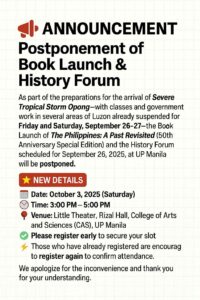
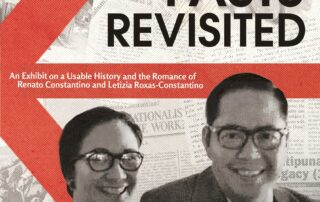
Mark Your Calendars: A Past Revisited Book Launch & History Forum – October 3!
As part of the preparations for the arrival of Severe Tropical Storm Opong—with classes and government work in several areas of Luzon already suspended for[READ]
Spotlight
The Constantino Exhibit at Yuchengco Museum
Pasts Revisited
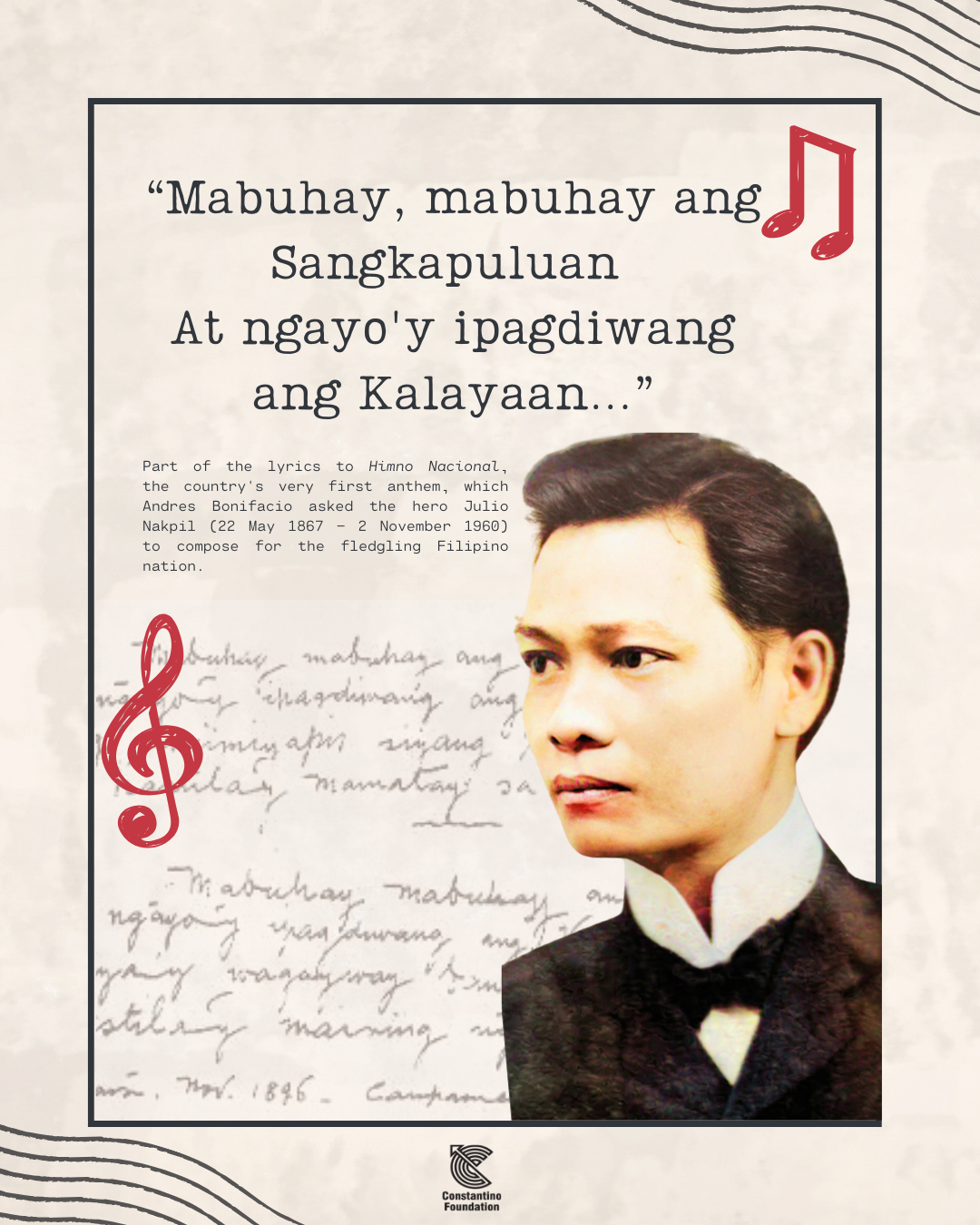
Julio Nakpil
We remember today Julio Nakpil, born on 22 May 1897. He was a composer and, as a general in the Philippine Revolution, belongs to the pantheon of giants of the Filipino nation. Nakpil adopted the clandestine name J. Giliw. He led a full and meaningful life serving his people. His letter, dated 28 September 1897, is most interesting. Nakpil wrote the letter as the head of the revolutionary movement’s High Council to raise funds for the Katipunan ng mga Anak ng Bayan four months after assassins carried out the order of Emilio Aguinaldo to execute Andres Bonifacio. According to the historian Jim Richardson, “Nothing in Nakpil’s letter alludes to the ‘Republica Filipina’ of which Aguinaldo had been elected president at the Tejeros convention in March.” Just as interesting, Nakpil was writing from Sta. Ana, which, said RIchardson, was “even closer to the seat of Spanish power” compared to late 1896 when the Sanggunian was based in Pasig. Even more interesting, one might expect the recipient of Nakpil’s fundraising letter to be “a wealthy resident of Sta. Ana, or of another suburb or town nearby.” But the letter’s addressee was Cipriano Ortiz, “the parish priest of Paete, Laguna, a Franciscan friar and, presumably, a Spaniard.” *
Julio Nakpil would eventually marry the Katipunan’s Lakambini, Gregoria de Jesus, the wife of Andres Bonifacio. They had eight children. (Two died in their infancy.) Nakpil would write in his memoirs about Aguinaldo’s orders to assassinate not just Bonifacio but also Gen. Antonio Luna.
Readers are encouraged to listen to Nakpil’s compositions, which are available on Spotify and Apple Music. Just type “Julio Nakpil” and look for his albums. According to BahayNakpil.org, “Several of Nakpil’s compositions were inspired by the revolutionaries’ struggle to regain freedom for the country. An admirer of Jose Rizal . . .” Nakpil wrote Pahimakas (1897), “a funeral march commemorating Rizal’s execution” while the piece Pasig Pantayanin (1898), he dedicated to the revolutionary forces.” Nakpil also wrote Pamitinan (1897), a song for revolutionaries “who went into hiding because of persecution.” Nakpil enlarged his Himno Nacional later into a grand march “to be played at the Rizal Monument, and changed its name to Salve Patria (1896).” Nakpil died on November 2 1960.
(Main image of the hero is from BahayNakpil.org and the poster art and layout is by Rica Dominguez)
Events
Videos
Stories

Tagteam for Nationalism: Popular Book Store and the Constantino Foundation
If you are looking for books by Renato Constantino or Letizia Roxas Constantino, Popular Book Store is your main shop. Popular remains the main distributor of the Constantino Foundation, thanks to decades of friendship between the book store’s founder, Joaquin Po, and the historian Renato Constantino [...]
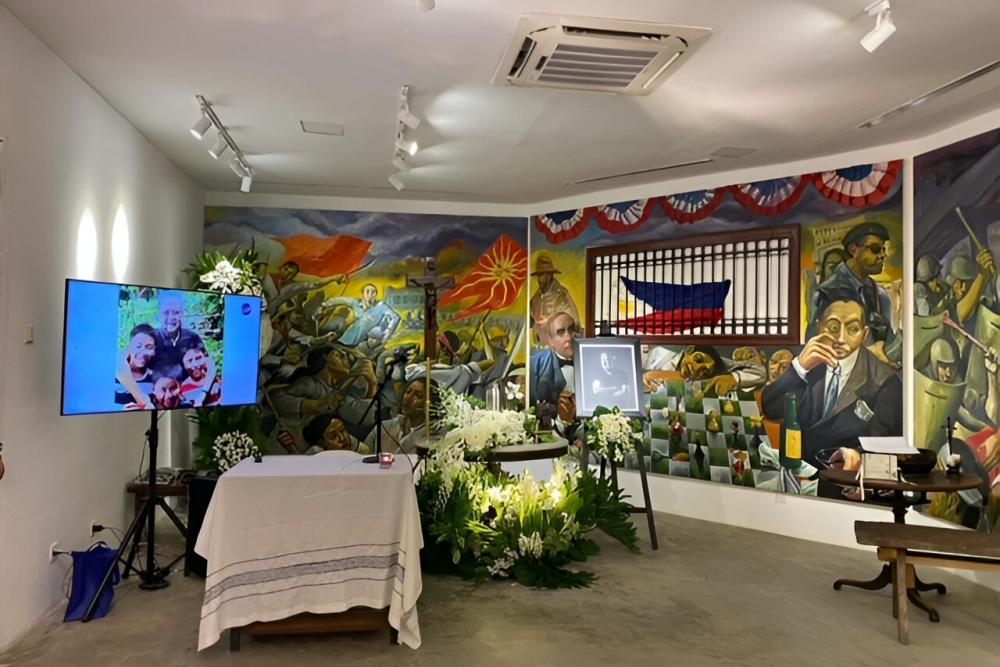
Renato Constantino Jr: The man who ‘apcet’ the world about East Timor
MUCH has been written about the courage, rock-steady principles and tireless activism of Renato Constantino Jr., “RC” to most, since he died on April 5 at the age of 79.He was, after all, present — nay, taking a key role though much of the time behind the scenes unless truly needed — in most of the game-changing campaigns of the last five decades.Think September 1991, when the Philippine Senate voted to end the US bases treaty. [...]
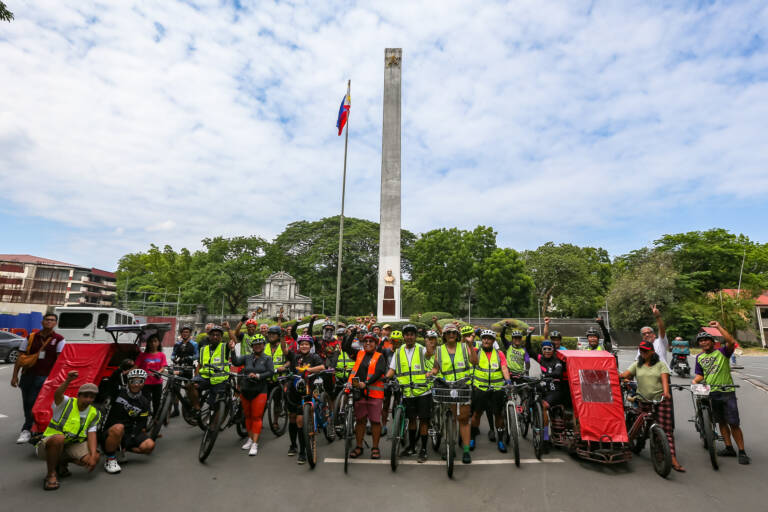
PUP marks 120th founding year with climate, mobility, history ride
The Polytechnic University of the Philippines (PUP) launched Sintang Lakbay today, a pioneering initiative integrating inclusive mobility, culture, and history. The move highlights the school’s resolve to demonstrate the relevance of its academic philosophy in the face of current climate-constrained realities. [...]
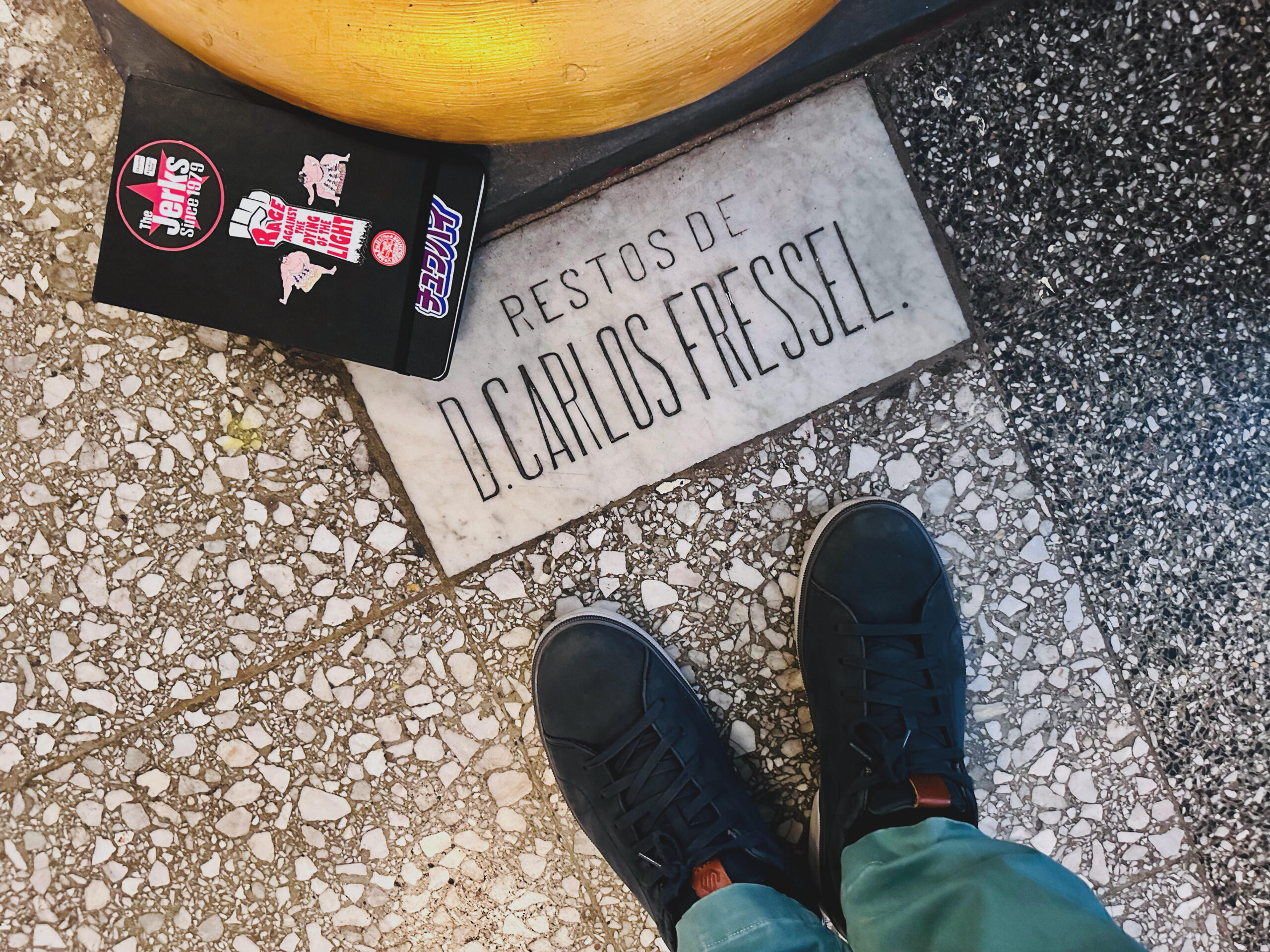
What remains of Carlos Fressel?
What remains of Carlos Fressel? There are several answers to the question. Among them is a reminder to Filipinos about the value of our fascinating past and why history should not be treated as the domain of historians alone. At the base of an elegant pillar in the parish of the Sacred Heart of Jesus in Sta. Mesa Manila, a curious churchgoer will find an interesting marking [...]